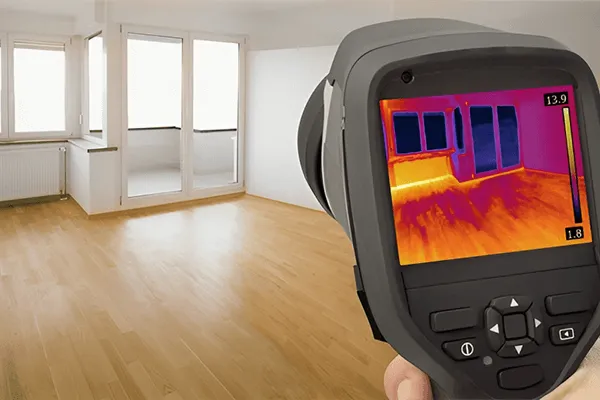
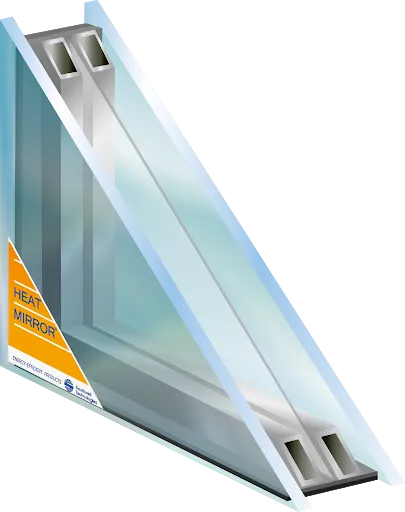
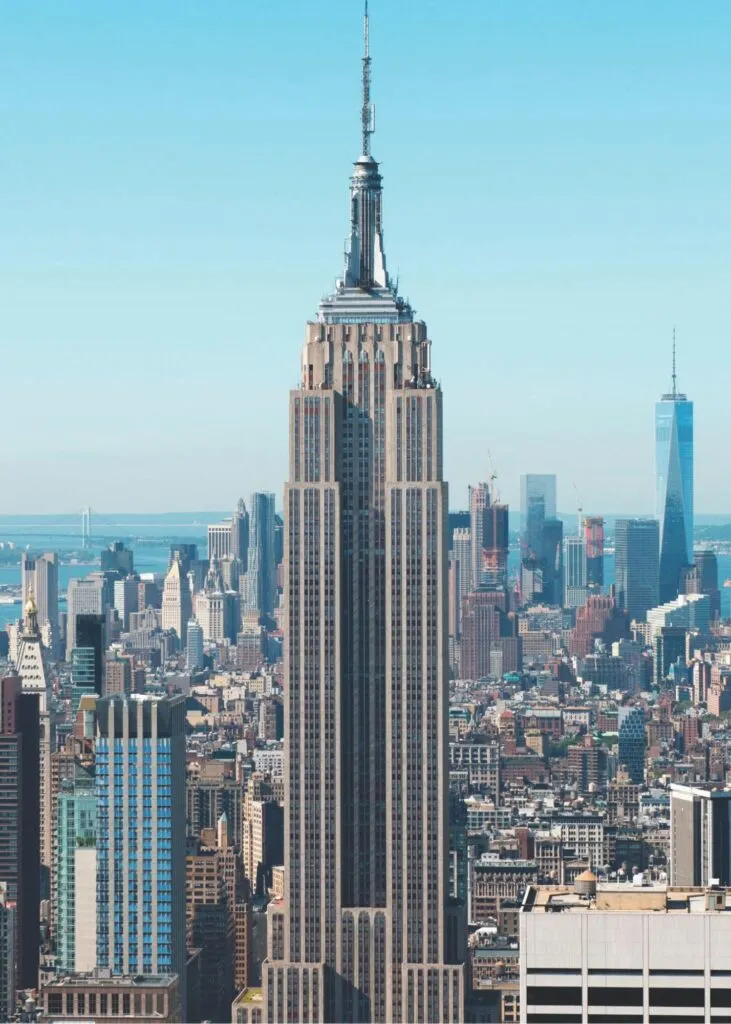
The iconic Empire State Building in New York City faced significant energy usage challenges. In 1991, an attempt to address this issue involved replacing the original 1931 windows with new double-pane units, improving the window's R-value from R1 to R2. However, the results were underwhelming. Seeking a more effective solution, they turned to Heat Mirror Technology. The results were truly remarkable. After replacing the 6,514 double-pane windows with Heat Mirror’s R8-rated system, emissions from the skyscraper were reduced by 38%. The calculated annual energy savings amounted to $339,000, with a return on investment in just under four years. This transformation not only improved the building’s energy efficiency but also set a new standard for sustainable building practices in historic structures.

Building in Antarctica requires the utmost precision and care, as it is home to some of the most extreme meteorological conditions on Earth. With air temperatures ranging from -58°F to 23°F and wind speeds reaching up to 155 mph, the International Polar Foundation faced extraordinary challenges in selecting materials for construction. For the windows, Heat Mirror Technology was the only viable solution to withstand these harsh conditions. Upon completion in 2009, the Princess Elisabeth Research Station became the world’s first zero-emission research station powered entirely by renewable energy. The use of Heat Mirror Technology in the windows was integral to achieving this remarkable feat, providing unparalleled insulation and energy efficiency in one of the harshest environments on the planet.
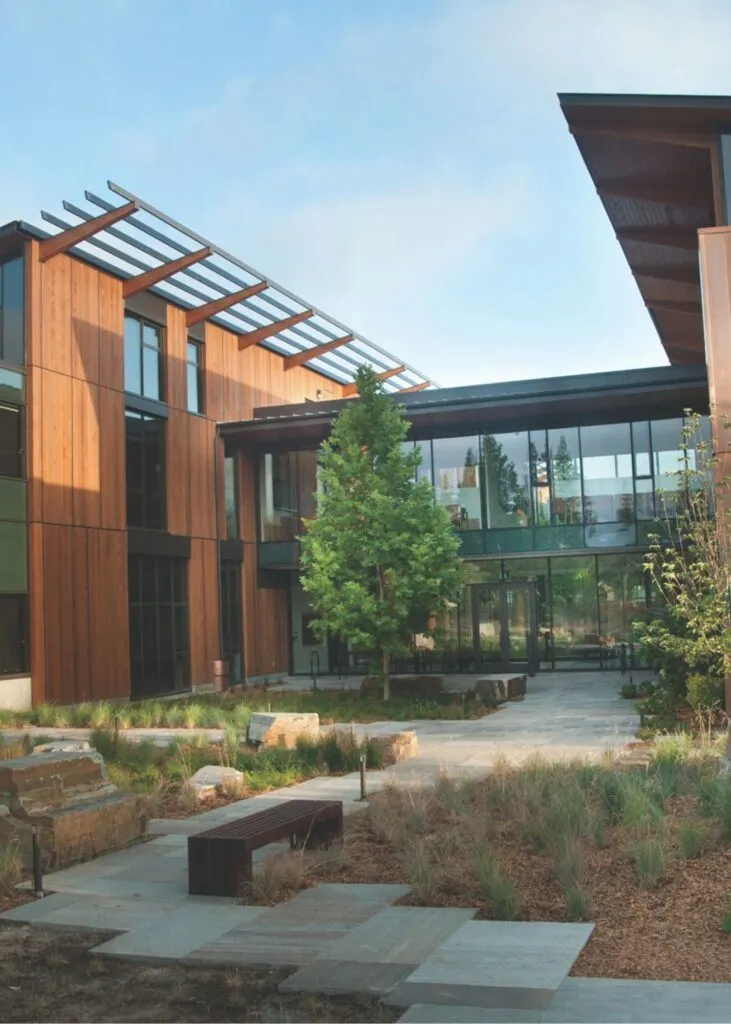
When the Packard Foundation set out to design their new headquarters in Los Altos, California, they aimed to create a building that reflected the values of their foundation—minimizing natural resource consumption while maintaining a comfortable working environment for their employees. Their independent study revealed that incorporating Heat Mirror Technology in the design allowed for more windows than typical office spaces, yet the building’s performance was so efficient that it could eliminate the need for traditional perimeter heating. Upon completion, the Packard Foundation Headquarters became the largest Net Zero energy certified building in the world, earning LEED Platinum certification. The use of Heat Mirror Technology played a pivotal role in achieving this milestone, ensuring the building’s energy efficiency while providing a bright and airy atmosphere for the foundation’s staff.

America has a rich legacy of pushing the boundaries of science and technology, with aviation standing at the forefront of this pioneering spirit. The Museum of Flight in Seattle, WA, is dedicated to preserving 175 historic aircraft that document the evolution of flight. From iconic planes like the B-17, B-29, and B-52 to the inaugural Air Force One, the Concorde, and F-14, the museum houses a collection that represents the best of aviation history. When designing a space to protect these invaluable artifacts, the architects needed to ensure protection from the sun’s damaging ultraviolet (UV) rays. For this, they chose Heat Mirror Technology for its unmatched ability to block UV light, providing an incredible 99.7% protection. This innovative solution ensures that the museum’s collection remains safeguarded from harmful UV exposure, preserving the history of aviation for future generations.
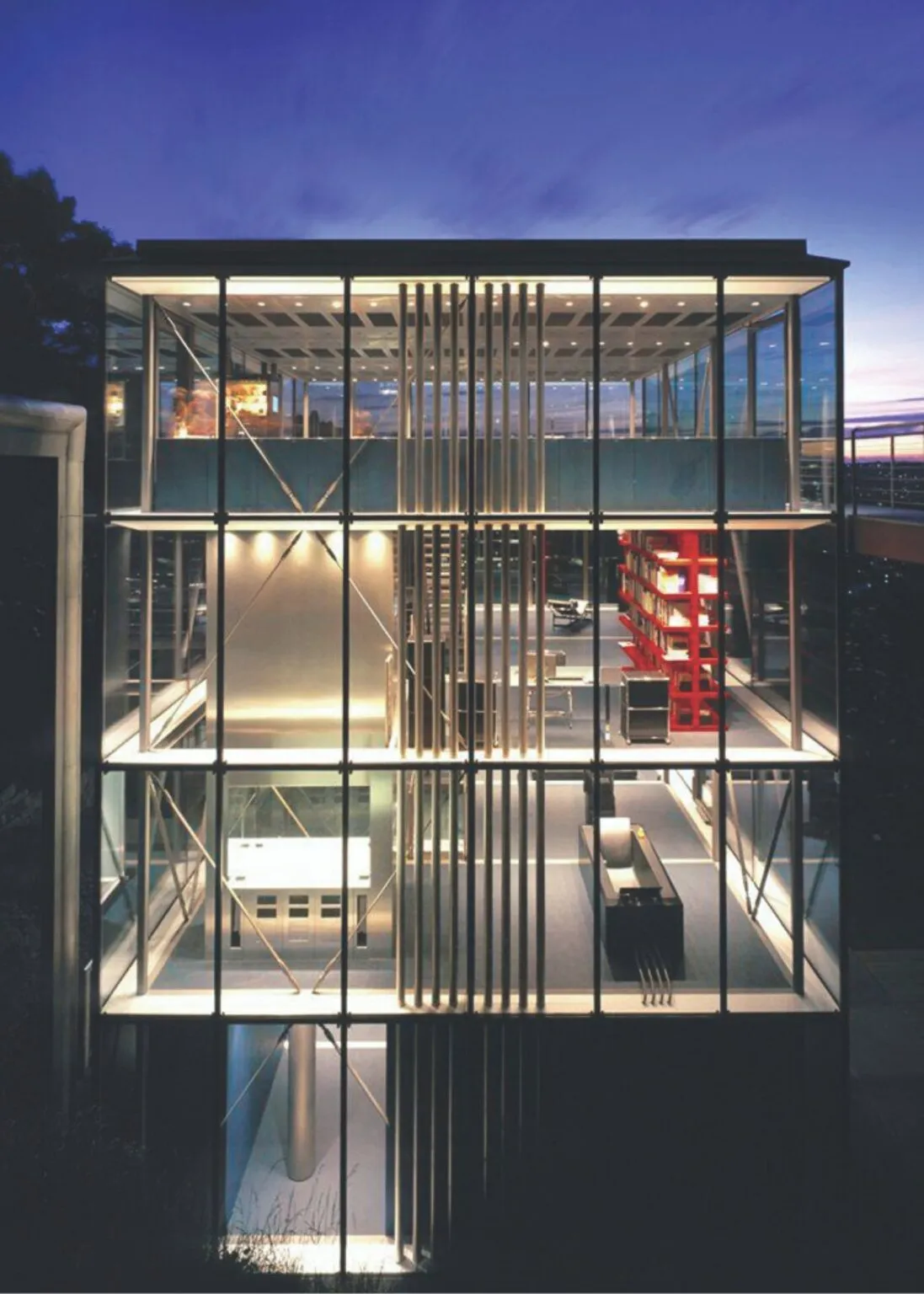
In 2000, architect Werner Sobek completed an innovative four-story housing structure in Stuttgart, Germany, using entirely recyclable materials that produce zero emissions and are self-sufficient in terms of heating energy requirements. What makes this design truly remarkable, however, is that all the exterior walls of the house were made of glass. Sobek’s groundbreaking design put the long-claimed benefits of Heat Mirror Technology to the test, demonstrating that windows can offer the same level of insulation as traditional walls. While the house may not provide the level of privacy typically desired, it showcases an exceptional level of energy efficiency that any homeowner would appreciate. The use of Heat Mirror Technology in this unique glass house redefines the possibilities for modern, sustainable architecture.